Hurstville Font: A Versatile Handwritten Style for Creative Projects
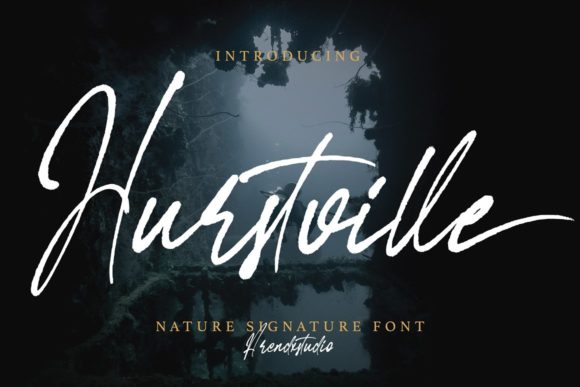
Hurstville is a distinctive handwritten font that brings a personal and artistic touch to digital and print media. Designed with elegance and flexibility in mind, it offers a unique way to express creativity across various platforms. Whether you're designing wedding invitations, creating stationary art, or enhancing social media content, Hurstville provides an appealing aesthetic that stands out from more conventional typefaces.
Understanding the Characteristics of Hurstville
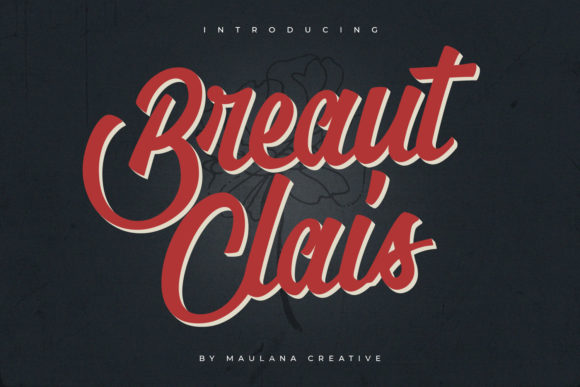
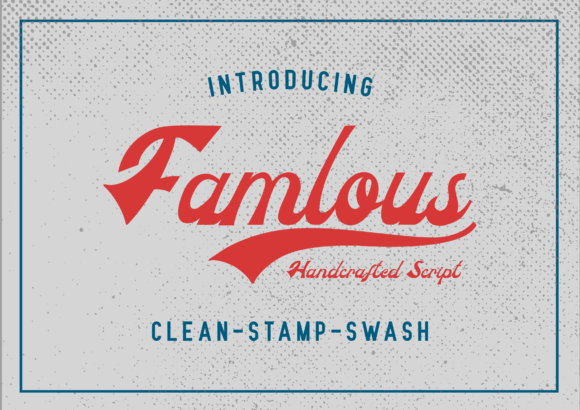
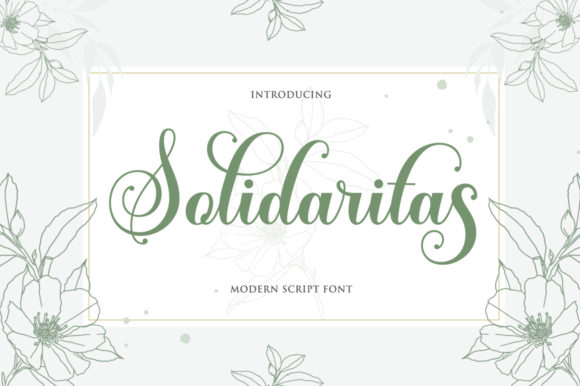
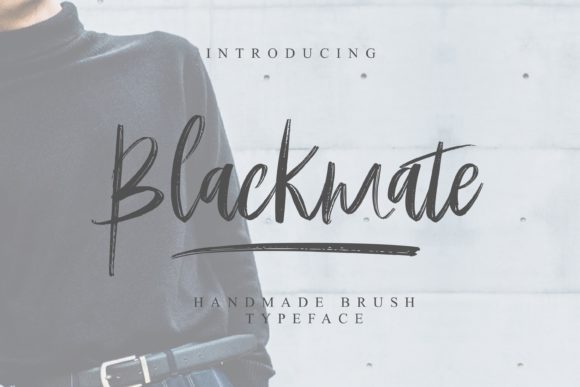
Hurstville mimics the natural flow of handwriting, making it ideal for projects that require a warm, personal feel. Its design includes subtle variations in stroke weight and letterform, which contribute to its organic appearance. This font is available in multiple weights and styles, allowing users to adapt it to different contexts while maintaining its signature charm.
The versatility of Hurstville lies in its ability to blend seamlessly into both formal and informal settings. It can be used as a primary text font for headings or as an accent to add visual interest to body text. The font's readability is balanced with its stylized features, ensuring that it remains legible even in longer passages.
Reasons to Consider Hurstville for Your Projects
If you're looking for a font that adds character without compromising clarity, Hurstville may be an excellent choice. Here are some reasons why designers and creators might choose this font:
- Personal Touch: Hurstville's handwritten style gives any project a more personal and authentic feel, making it especially popular for invitations and greeting cards.
- Versatility: It works well across a variety of mediums, including print, web, and digital marketing materials.
- Design Flexibility: With multiple weights and styles, it allows for creative experimentation and customization.
- Professional Appeal: Despite its casual look, Hurstville maintains a level of professionalism that makes it suitable for branding and promotional content.
Benefits, Tradeoffs, and Considerations
While Hurstville offers many benefits, it's important to consider potential tradeoffs before using it extensively. One key consideration is its suitability for long-form text. Because of its stylized nature, reading extended passages in Hurstville may become tiring for some audiences. It's best suited for short bursts of text such as headlines, captions, or call-to-action buttons.
Another factor to keep in mind is the font's compatibility with different platforms and devices. While Hurstville is generally well-supported on most modern systems, it's always wise to test how it appears across various screens and resolutions to ensure consistent display.
Additionally, licensing should be reviewed carefully. Depending on the use case—whether personal, commercial, or web-based—the appropriate license must be acquired to avoid legal issues. Always check the font provider's terms and conditions to ensure compliance.
Situations Where Hurstville Is a Strong Fit
Hurstville shines in situations where a personal, artistic, or expressive tone is desired. It's particularly effective in the following scenarios:
- Wedding Invitations: The font's elegant and romantic feel makes it perfect for creating beautiful and memorable wedding stationery.
- Social Media Posts: Hurstville adds visual appeal to social media content, helping to capture attention and convey personality.
- Stationary Art: Designers often use Hurstville to create custom illustrations, logos, and other forms of artistic expression.
- Brand Identity: For brands seeking a unique and approachable image, Hurstville can be a great addition to logos, packaging, and promotional materials.
When Alternatives Might Be Worth Considering
While Hurstville has its strengths, there are situations where alternative fonts may be more appropriate. If your project requires high readability over long text passages, a more traditional sans-serif or serif font could be a better option. Similarly, if you need a font that conveys a more formal or corporate tone, a clean, minimalist typeface may be preferable.
For highly technical or data-driven content, a font like Arial or Helvetica might be more suitable due to their clarity and neutrality. In these cases, choosing a font that prioritizes legibility and consistency over stylistic flair is essential.
Practical Insights for Choosing Hurstville
Before deciding to use Hurstville, evaluate your project's goals and audience. Ask yourself whether the font's style aligns with the message you want to convey. If you're targeting a younger demographic or aiming for a more creative and personalized look, Hurstville could be an excellent fit.
Consider also the context in which the font will be used. Will it be viewed on mobile devices? Will it be part of a larger design that includes other fonts? These factors can influence how effectively Hurstville performs in your specific application.
Testing Hurstville in different environments and alongside other design elements is crucial. A font that looks great in isolation may not work as well when combined with other typographic choices. Experimentation and iteration are key to achieving the best results.
In summary, Hurstville is a versatile and visually appealing font that can enhance a wide range of creative projects. However, its effectiveness depends on the specific needs and goals of your design. By carefully considering its strengths and limitations, you can determine whether it aligns with your requirements and helps you achieve your desired outcome.