Browallia: A Delicate Handwritten Font for Romantic and Personalized Designs
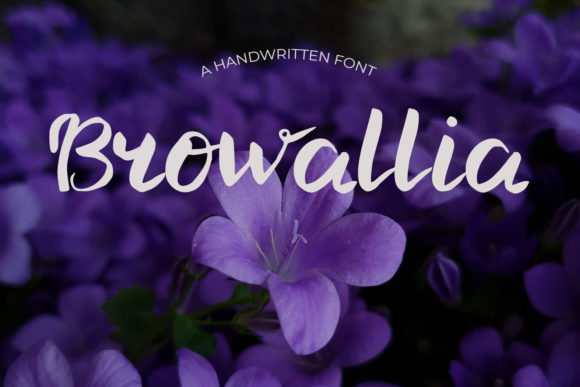
Browallia is a charming, round-lettered handwritten font that brings warmth and elegance to any design project. Its dainty and joyful style makes it perfect for creating wedding invitations, greeting cards, and other creative pieces that require a romantic or personalized touch. Whether you're a designer, marketer, or hobbyist, understanding how to use Browallia effectively can elevate your work and help you stand out in a crowded digital space.
Why Choose Browallia?
Browallia stands out for its natural, flowing lines and soft curves that mimic the look of handwriting. This gives it an organic feel that's hard to achieve with more structured fonts. It’s ideal for projects where you want to evoke emotion, such as wedding announcements, birthday cards, or personal notes. Its gentle appearance also works well for branding that wants to convey warmth and approachability.
However, many users overlook the importance of pairing Browallia with the right supporting elements. For instance, using it for long blocks of text can make reading difficult due to its informal style. Always consider legibility and readability when choosing where to apply this font.
Common Mistakes When Using Browallia
While Browallia is visually appealing, there are several common mistakes that can undermine its effectiveness. One frequent error is using it for body text in websites or documents. Because of its cursive nature and decorative elements, it can be challenging to read in large quantities. This can lead to poor user experience and lower engagement.
Another mistake is not considering the color contrast when using Browallia. Since it’s a light and delicate font, dark colors like black or deep navy are usually the best choice. Light or pastel backgrounds may cause the text to blend in and become less visible, especially on screens with lower resolution.
Many people also fail to check if Browallia is available in different weights or styles. While it is primarily a single-style font, knowing what variations exist can help you decide whether it’s suitable for your needs. Some designers might assume they need to use a different font altogether, only to later discover that Browallia has the versatility they were looking for.
How to Avoid These Mistakes
To ensure that Browallia enhances rather than hinders your design, follow these practical tips:
- Use it for short text only: Apply Browallia to headlines, logos, or captions rather than lengthy paragraphs. This maintains readability while still capturing the font’s charm.
- Choose the right color: Stick to high-contrast combinations, such as dark text on light backgrounds or vice versa. Avoid using light-colored text on similar-toned backgrounds.
- Check for variations: Before purchasing or downloading Browallia, review the available options. Some versions may include additional styles or weights that could be useful for your project.
What to Check Before Using Browallia
Before committing to Browallia for your next project, take time to evaluate its suitability. Here are some key factors to consider:
- Legibility: Test how readable the font is in different sizes and contexts. If it becomes too hard to read at smaller sizes, it may not be the best choice for certain applications.
- License agreement: Ensure you understand the terms of use for Browallia. Some fonts have restrictions on commercial use or require attribution, which can impact your project’s legality.
- Compatibility: Verify that Browallia works well with the software or platforms you plan to use. Not all fonts render consistently across different operating systems or web browsers.
By carefully assessing these aspects, you can avoid potential issues and make sure that Browallia meets your design goals without compromising quality or usability.
Realistic Examples and Better Approaches
Imagine designing a wedding invitation using Browallia. The font’s soft, handwritten style perfectly captures the romantic essence of the event. However, if you use it for the entire invitation, including the guest details and address, the text may become hard to read. Instead, use it for the main title and signature, while opting for a more traditional font for the rest of the content.
Another example involves a small business owner who wants to create branded stationery. They choose Browallia for their logo because it feels friendly and inviting. But when applying it to their website, they notice that the text doesn’t display well on mobile devices. To fix this, they switch to a cleaner, sans-serif font for body text while keeping Browallia for headings and call-to-action buttons.
These examples highlight how thoughtful application of Browallia can enhance a design, while careless use can detract from its intended effect.
Final Tips for Working with Browallia
When working with Browallia, always keep the purpose of your project in mind. It’s best suited for designs that benefit from a personal, handcrafted look. Use it sparingly and strategically to maintain clarity and professionalism.
Additionally, don’t forget to test your designs across different devices and screen sizes. How something looks on a desktop may not translate well to a smartphone. Ensuring consistency across platforms will help you deliver a polished final product.
Lastly, stay informed about updates or new versions of Browallia. Font creators often release improvements or additional features that can expand your creative possibilities. Keeping up with these changes can help you make the most of this beautiful typeface.