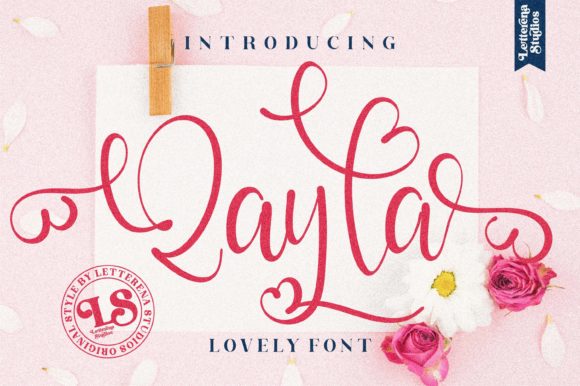
Qayla: A Handwritten Font That Elevates Design with Personality
In an era where digital content is king, the visual elements that accompany text can make or break a message. Enter Qayla, a lovely handwritten font that brings warmth, authenticity, and charm to any design project. Whether you're crafting a brand identity, designing a website, or creating marketing materials, Qayla offers a unique way to stand out in a sea of generic typography.
The Rise of Handwritten Fonts in Modern Design
Handwritten fonts have seen a resurgence in popularity as designers and creators seek to inject personality into their work. In a world dominated by clean sans-serif and modern serif typefaces, the human touch offered by cursive and script fonts provides a refreshing contrast. This trend reflects a broader shift toward authenticity and emotional connection in design—something audiences are increasingly craving.
Qayla fits perfectly into this movement. Its organic curves and natural flow mimic the look of handwriting, making it ideal for projects that aim to evoke emotion, creativity, or personal expression. From wedding invitations to blog headers, the font’s versatility ensures it can be used across various platforms and industries.
Why Qayla Stands Out Among Handwritten Fonts
While many handwritten fonts exist, what sets Qayla apart is its balance of elegance and readability. Unlike overly ornate scripts that can be difficult to read at smaller sizes, Qayla maintains clarity without sacrificing its character. This makes it suitable for both decorative and functional use, whether in headlines, body text, or logos.
Another key feature of Qayla is its PUA encoding. This means users have easy access to all the glyphs and swashes included in the font. PUA (Private Use Area) encoding allows for seamless integration with design software, enabling creators to customize their typography with ease. This level of control is especially valuable for those looking to create unique typographic treatments without the need for complex workarounds.
Practical Applications for Qayla in Real-World Projects
The beauty of Qayla lies in its adaptability. Here are some realistic examples of how this font can enhance different types of creative work:
- Brand Identity: Use Qayla for logos, taglines, or branding materials to convey a sense of approachability and creativity.
- Website Design: Incorporate the font in headers, navigation menus, or call-to-action buttons to add a personal touch to your site’s design.
- Marketing Materials: From social media posts to email newsletters, Qayla can help your content stand out while maintaining a professional tone.
- Print Media: Use it for invitations, posters, or packaging to give your print work a more human and artistic feel.
- Blog and Content Creation: Add Qayla to headings or featured images to create a visually engaging reading experience.
How Qayla Aligns with Changing Design Trends
As design trends continue to evolve, there's a growing emphasis on personalization and individuality. Users no longer want to see cookie-cutter designs; they expect content that speaks directly to them. Qayla supports this shift by allowing creators to infuse their work with a distinct voice and style.
Moreover, the rise of remote work and digital collaboration has increased the demand for versatile design tools that can be used across multiple platforms. Qayla’s compatibility with popular design software like Adobe Photoshop, Illustrator, and Canva makes it an excellent choice for professionals who need flexibility in their workflow.
The font also aligns with the increasing preference for minimalism and subtle detail. While bold and maximalist designs still have their place, many brands and individuals are turning to softer, more refined aesthetics. Qayla’s delicate strokes and elegant forms support this aesthetic, offering a sophisticated alternative to heavier typefaces.
Creating with Qayla: Tips and Best Practices
To get the most out of Qayla, consider these practical tips:
- Use It Sparingly: While Qayla adds character, overusing it can lead to visual clutter. Reserve it for headlines, titles, or accents rather than using it throughout entire documents.
- Pair It with Complementary Fonts: Combine Qayla with a clean sans-serif or serif font to create a balanced and professional look. For example, pair it with Helvetica or Georgia for a polished appearance.
- Experiment with Swashes and Glyphs: Take advantage of the PUA encoding to explore the full range of characters available in Qayla. These features can add visual interest to your designs without compromising readability.
- Consider Readability: Ensure that the font size and spacing are appropriate for the medium you’re using. Qayla works best in larger sizes, so avoid using it for long blocks of text.
- Test Across Devices: Always check how Qayla appears on different screens and devices to ensure it remains legible and aesthetically pleasing in all contexts.
The Future of Handwritten Typography and Qayla’s Role in It
As technology continues to advance, the line between digital and physical design is blurring. Handwritten fonts like Qayla are playing a crucial role in this evolution by bridging the gap between human expression and digital creation. They allow designers to maintain a personal touch in an increasingly automated world.
Looking ahead, we can expect to see more emphasis on customizable and expressive typography. Fonts like Qayla, which offer both style and functionality, will likely remain in high demand. As users become more discerning about the visual elements that shape their online experiences, the ability to create unique and memorable designs will become even more important.
Whether you're a designer, marketer, educator, or simply someone who appreciates beautiful typography, Qayla offers a powerful tool to elevate your work. Its blend of elegance, versatility, and ease of use makes it a standout choice for anyone looking to add a personal and artistic flair to their projects.