Sholfero: A Simple and Thick Lettered Sans Serif Font for Modern Design
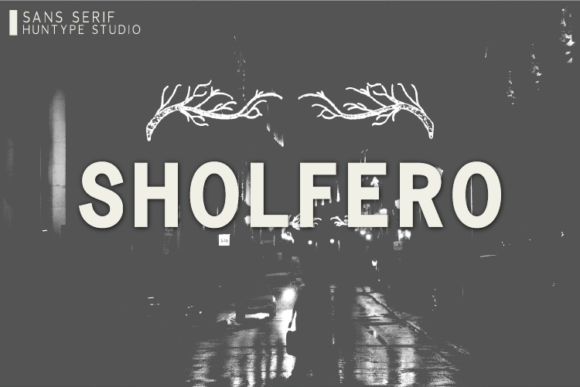
When it comes to typography, choosing the right font can significantly impact the visual appeal and readability of any design project. Sholfero is a simple and thick lettered sans serif font that has been gaining attention for its clean lines, bold presence, and versatility. Designed with modern aesthetics in mind, Sholfero works great for logos, branding, and web headings. Its straightforward yet impactful style makes it a compelling choice for designers looking for a font that balances simplicity with strength.
What Makes Sholfero Unique?
Sholfero stands out due to its distinctive combination of thickness and simplicity. Unlike many other sans serif fonts that prioritize minimalism to the point of being too thin or delicate, Sholfero offers a bolder appearance without sacrificing legibility. This makes it particularly well-suited for headings and titles where a strong visual statement is needed.
The font’s thick lettering provides a sense of stability and confidence, which is especially useful in branding contexts. It also ensures that text remains readable even at smaller sizes, making it a practical option for both print and digital media. Whether you're designing a logo, creating a website header, or working on promotional materials, Sholfero delivers a consistent and professional look.
Comparing Sholfero with Other Fonts
While there are many excellent sans serif fonts available, each with its own set of strengths and weaknesses, Sholfero occupies a unique niche. For example, compared to Helvetica or Arial, which are known for their neutrality and wide applicability, Sholfero offers a more distinctive personality. This can be an advantage when a brand wants to stand out visually, but it may not be ideal for projects that require a more subtle or traditional aesthetic.
In comparison to more stylized fonts like Futura or Bebas Neue, Sholfero strikes a balance between elegance and simplicity. While Futura is often associated with a more geometric and formal feel, and Bebas Neue leans towards a more aggressive and edgy appearance, Sholfero maintains a clean and approachable look. This makes it a versatile choice that can adapt to a variety of design styles without overwhelming the viewer.
For those who prefer a more decorative or ornate font, Sholfero may not be the best fit. However, for projects that require clarity, impact, and a modern touch, it excels. It's important to consider the context in which the font will be used and whether its boldness aligns with the intended message or brand identity.
Strengths and Limitations of Sholfero
The primary strength of Sholfero lies in its ability to convey confidence and professionalism through its thick lettering. It is especially effective in situations where the text needs to be immediately noticeable, such as headlines, logos, and call-to-action buttons. The font’s simplicity ensures that it doesn’t distract from the content, allowing the message to remain clear and focused.
However, like any font, Sholfero has its limitations. Due to its bold nature, it may not be suitable for long blocks of text where readability is crucial. In such cases, pairing Sholfero with a more refined and thinner font for body text can create a balanced and visually appealing layout.
Additionally, while Sholfero is highly versatile, it may not be the best choice for projects that require a more traditional or classic look. Designers seeking a vintage or retro feel might find it necessary to explore alternative typefaces that better match their desired aesthetic.
When Is Sholfero the Right Choice?
Sholfero is best suited for projects that benefit from a strong visual presence. This includes branding initiatives, where a memorable and distinctive font can help reinforce brand identity. It is also an excellent choice for web headings, banners, and other elements that need to grab attention quickly.
If your design requires a modern, clean, and confident look, Sholfero can be an excellent fit. It is particularly well-suited for industries such as technology, fitness, and lifestyle, where a bold and contemporary aesthetic is often preferred.
On the other hand, if your project demands a more subtle or traditional font, or if you’re working with extensive body text, you may want to consider alternatives. Ultimately, the decision should be based on the specific needs of your design and the message you wish to convey.
Practical Examples and Use Cases
To better understand how Sholfero can be applied in real-world scenarios, consider the following examples:
- Logo Design: A tech startup aiming to project innovation and confidence might use Sholfero for its logo. The bold lettering would help establish a strong brand presence.
- Website Headings: A fitness blog could leverage Sholfero for its headline sections to create a dynamic and energetic feel.
- Print Materials: Brochures or posters that require a striking visual impact can benefit from the use of Sholfero in key text areas.
These examples illustrate how Sholfero can be effectively integrated into various design contexts. However, it is always important to test the font in different environments and ensure it complements the overall design rather than overpowering it.
Conclusion
Sholfero is a simple and thick lettered sans serif font that offers a compelling blend of boldness and clarity. Its versatility makes it a valuable addition to any designer’s toolkit, particularly for projects that require a strong visual statement. While it may not be the best fit for every situation, its unique characteristics make it an excellent choice for branding, logos, and web headings.
By considering the strengths and limitations of Sholfero, designers can make informed decisions about whether it aligns with their specific needs. As with any design element, the key is to choose a font that enhances the message and supports the overall aesthetic of the project.