Green Melon: A Strategic Font for Personalized Design and Professional Communication
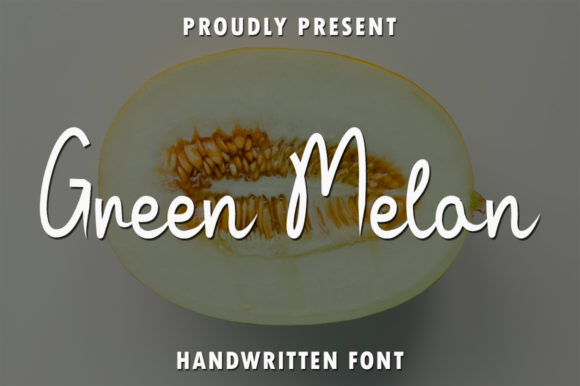
Green Melon is a sweet and cursive handwritten font that brings warmth, elegance, and personality to any design project. With its beautiful and round letters, it offers a unique visual identity that can elevate your creative work, branding efforts, or communication materials. Whether you're an entrepreneur looking to craft a memorable logo, a marketer designing eye-catching social media content, or a freelancer creating personalized stationery, Green Melon provides the right balance of charm and professionalism.
Its natural flow and soft curves make it ideal for situations where you want to convey approachability, creativity, and individuality. However, like any design tool, Green Melon should be used with intention. This article explores how to strategically incorporate Green Melon into your workflow, when it's most effective, and what to consider before relying on it as part of your brand or creative strategy.
Understanding the Strategic Value of Green Melon
Fonts are more than just typography—they are tools that shape perception, influence emotions, and communicate messages. Green Melon, in particular, has a distinct character that can support various strategic goals. Its cursive style evokes a sense of authenticity and personal touch, making it especially useful for projects that aim to build trust, foster connection, or stand out in a crowded market.
For example, if you're launching a new product line that emphasizes organic, handcrafted values, Green Melon could reinforce those themes through its visually organic letterforms. Similarly, in marketing campaigns targeting niche audiences such as artists, educators, or small business owners, the font’s warm aesthetic aligns well with the values of creativity and community.
However, it's important to recognize that Green Melon may not be suitable for all contexts. It’s best avoided in situations requiring high readability, such as long-form text, technical documentation, or formal reports. Instead, use it selectively for headlines, logos, call-to-action buttons, or signature blocks where its unique style can enhance rather than hinder comprehension.
When to Use Green Melon Strategically
The key to using Green Melon effectively lies in understanding when it adds value. Consider the following scenarios:
- Branding and Logo Design: Green Melon can help create a memorable and distinctive brand identity. Its handwritten feel can be particularly appealing for boutique brands, lifestyle businesses, or creative studios.
- Social Media and Marketing Materials: For Instagram posts, Facebook banners, or email headers, Green Melon can add a friendly and engaging tone that resonates with younger audiences or those seeking a more personal connection.
- Personalized Stationery and Invitations: Wedding invitations, thank-you cards, or business cards benefit from the elegant and expressive nature of Green Melon. It adds a layer of sophistication and care that printed text often lacks.
- Blog Posts and Content Creation: When used sparingly in blog headers, section titles, or quote blocks, Green Melon can break up dense text and add visual interest without overwhelming the reader.
In each of these cases, the font supports a specific goal—whether it's building brand recognition, increasing engagement, or improving user experience. The challenge is to use it in a way that aligns with the overall message and purpose of the content.
Planning Your Use of Green Melon
Before incorporating Green Melon into your designs, take time to plan how it will serve your objectives. Ask yourself the following questions:
- What is the primary goal of this project? Is it to inform, persuade, entertain, or inspire?
- Who is the target audience? Does Green Melon align with their preferences and expectations?
- How does Green Melon complement the rest of the design elements (colors, images, layout)?
- Will the font be used consistently across different platforms or only in specific instances?
By answering these questions, you can ensure that Green Melon enhances rather than distracts from your message. For instance, if you're designing a website for a wellness coach, Green Melon might pair well with soft pastel colors and minimalist layouts to create a calming and inviting atmosphere.
Additionally, consider the legibility of the font at different sizes and distances. While Green Melon looks stunning in large headings, it may become difficult to read when used in smaller text. Always test your designs across devices and screen sizes to ensure they remain accessible and functional.
Strategic Observations and Decision-Making Guidance
Using Green Melon requires thoughtful decision-making. Here are some practical tips to guide your choices:
- Use it as an accent, not a dominant feature: Let Green Melon highlight key messages while keeping the majority of your text in a clean, sans-serif font for readability.
- Pair it with complementary fonts: Combine Green Melon with a modern sans-serif or serif font to create visual contrast and hierarchy. This approach helps maintain balance and ensures your message remains clear.
- Consider cultural and contextual relevance: Some audiences may associate cursive fonts with outdated or informal styles. Ensure that Green Melon fits within the broader context of your brand or project.
- Test it in real-world conditions: Preview your designs on different screens, print them out, and ask others for feedback. Real-world testing can reveal issues you might not notice in isolation.
These strategies help you avoid common pitfalls, such as overusing the font, ignoring accessibility concerns, or misaligning it with your brand’s voice and values.
Potential Risks of Using Green Melon Without Clear Goals
While Green Melon is visually appealing, it carries risks if used without a clear strategy. One major risk is that it can appear unprofessional or inconsistent if applied indiscriminately. For example, using it in a corporate report or financial document would likely confuse readers and undermine credibility.
Another risk is that the font may not translate well across different platforms or mediums. What looks great on a digital banner might not render correctly on a mobile device or in print. Always verify that your designs maintain quality and consistency across all channels.
Finally, there's the risk of losing clarity in your messaging. If the font is too ornate or complex, it can obscure the content rather than enhance it. This is especially true when used in large blocks of text or in low-contrast environments.
To mitigate these risks, always tie your use of Green Melon back to a clear objective. Ask yourself: How does this font contribute to my overall message? Does it support my brand’s identity? Will it resonate with my audience?
Conclusion
Green Melon is more than just a pretty font—it’s a strategic design element that can support your goals when used intentionally. By understanding its strengths, limitations, and appropriate use cases, you can leverage it to enhance your branding, communication, and creative projects.
Whether you're designing a logo, crafting marketing materials, or creating personalized content, Green Melon offers a unique opportunity to express your brand’s personality in a way that feels authentic and engaging. The key is to use it thoughtfully, aligning it with your overall strategy and ensuring it serves a clear purpose in every application.