Thampholine: A Timeless Handwritten Font for Strategic Design and Communication
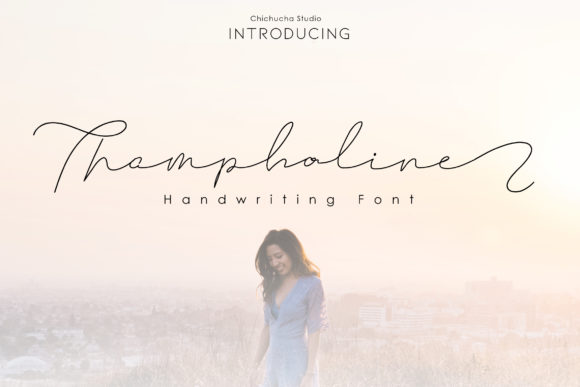
Thampholine is an incredibly distinct, delicate, and timeless handwritten font that brings a sense of authenticity and elegance to any design. Its unique character makes it particularly well-suited for projects where a personal, handwritten touch can elevate the overall impact. Whether you're crafting wedding invitations, thank you cards, quotes, greeting cards, logos, or business cards, Thampholine offers a level of sophistication that few other fonts can match.
The Strategic Value of Thampholine in Design
Choosing the right font isn't just about aesthetics—it's about aligning your visual identity with your brand's personality and goals. Thampholine stands out because it conveys warmth, thoughtfulness, and individuality. These qualities are especially valuable in branding, marketing, and customer communication, where emotional connection plays a crucial role in decision-making.
For professionals, entrepreneurs, and marketers, using Thampholine can be a strategic move to differentiate from competitors. It adds a human element to otherwise sterile digital content, making it more relatable and trustworthy. This is particularly effective in industries like hospitality, lifestyle, wellness, and creative services, where personalization is key.
Use Cases Where Thampholine Shines
- Wedding Invitations: The delicate strokes of Thampholine make it ideal for creating a romantic and personalized atmosphere.
- Thank You Cards: Express gratitude with a touch of elegance that feels genuine and heartfelt.
- Quotes and Greeting Cards: Enhance the readability and emotional resonance of inspirational messages.
- Logos and Branding: Use sparingly to add a unique signature to your brand identity.
- Business Cards: Create a memorable first impression with a font that reflects professionalism and creativity.
How to Approach Using Thampholine Effectively
While Thampholine is visually appealing, its effectiveness depends on how it's used. To ensure it supports your goals rather than detracts from them, consider the following guidelines:
1. Know Your Audience: Understand who will be viewing your content and what they expect. For example, a luxury brand might benefit from the refined look of Thampholine, while a tech startup may need a more modern and clean font.
2. Match the Tone: Thampholine has a soft and elegant feel. Use it for content that aligns with this tone—such as wedding-related materials, literary works, or boutique-style branding. Avoid using it for high-energy or fast-paced communications where clarity and speed are essential.
3. Balance and Contrast: Pair Thampholine with a complementary sans-serif font to maintain readability. This combination ensures that your message remains clear while still benefiting from the font's unique aesthetic.
4. Test Across Platforms: Ensure that Thampholine renders consistently across different devices and screen sizes. If used in digital formats, verify that it maintains its legibility and visual appeal in both print and online environments.
Strategic Planning for Optimal Results
Before incorporating Thampholine into your design, take time to plan how it will serve your specific objectives. Ask yourself:
- What is the primary goal of this design? Is it to inform, persuade, or evoke emotion?
- Does Thampholine enhance the message or distract from it?
- Will the use of this font support long-term brand recognition and consistency?
By answering these questions, you can ensure that your use of Thampholine is intentional and aligned with your broader strategy.
Potential Risks and Considerations
While Thampholine can be a powerful tool, it's not without its risks. Overuse or misuse can lead to confusion, reduced readability, or even dilution of your brand message. Here are some important considerations:
Risk 1: Reduced Legibility: Handwritten fonts can sometimes be harder to read, especially at smaller sizes. Always test your designs to ensure that the text is easily readable by all audiences.
Risk 2: Inconsistent Branding: If not used strategically, Thampholine could create inconsistency in your brand's visual identity. Make sure it fits within your existing color schemes, typography, and overall design language.
Risk 3: Misalignment with Content: A font that feels too ornate or casual may not be appropriate for formal or technical content. Be mindful of the context in which you're using Thampholine.
Best Practices for Intentional Use
To avoid these pitfalls and maximize the benefits of Thampholine, follow these best practices:
- Use it in moderation—focus on key elements such as headings, signatures, or call-to-action statements.
- Ensure that it complements rather than competes with other design elements like images, colors, and layouts.
- Consider licensing and usage rights if you're using Thampholine for commercial purposes.
- Always pair it with a strong, readable supporting font to maintain clarity and balance.
Long-Term Value and Decision-Making
Incorporating Thampholine into your design strategy is more than just a stylistic choice—it's a decision that can have lasting effects on your brand's perception and performance. By choosing fonts that align with your values, audience, and goals, you create a more cohesive and impactful visual identity.
Think of Thampholine as a tool that enhances your communication, not replaces it. When used intentionally, it can help you build stronger connections, foster trust, and stand out in a crowded marketplace.
Whether you're a small business owner looking to create a memorable logo, a marketer aiming to craft engaging email campaigns, or a designer seeking to bring more personality to your work, Thampholine offers a unique opportunity to express your brand's voice in a way that resonates with your audience.
Remember, the most successful design choices are those that are thoughtful, consistent, and aligned with your broader objectives. With careful planning and consideration, Thampholine can become a valuable asset in your creative toolkit.