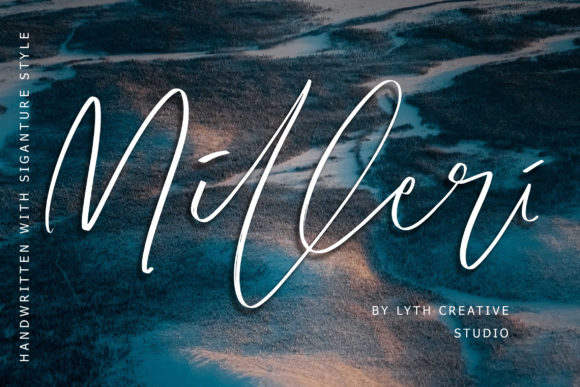
Milleri: A Thin and Flowing Handwritten Font for Authentic Design
When it comes to typography, the right font can make all the difference in conveying a message effectively. Milleri is a thin and flowing handwritten font that brings an adventurous and authentic feel to any design project. Whether you're working on branding materials, editorial designs, or digital content, this font offers a unique aesthetic that stands out from more traditional typefaces.
What Is Milleri?
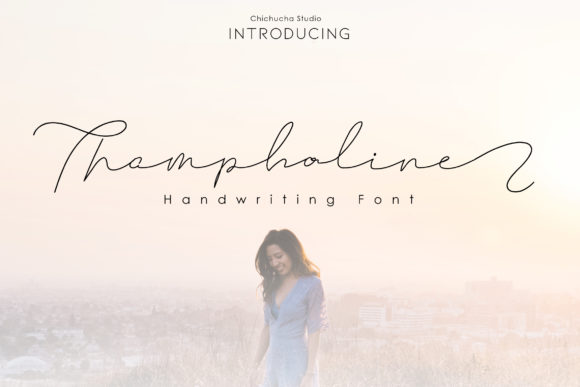
Milleri is a handwritten font designed to mimic the natural flow of cursive writing. Its thin strokes and organic curves give it a personal and approachable look. This font is ideal for designers who want to add a touch of authenticity and character to their work without compromising readability.
Unlike blocky or overly structured fonts, Milleri has a soft, fluid quality that makes it perfect for creative projects that aim to evoke emotion and connection. It's particularly well-suited for use in logos, headlines, invitations, and other design elements where a human touch is desired.
Challenges in Typography and How Milleri Can Help
Many designers face the challenge of finding a font that balances aesthetics with functionality. Too often, a font may look great on its own but fail to communicate clearly when used in a larger context. Milleri helps bridge this gap by offering a visually appealing yet readable option that works well across various media.
Another common challenge is creating a cohesive visual identity that reflects a brand's personality. For brands that value creativity, spontaneity, or storytelling, Milleri provides a strong typographic foundation that aligns with these values. Its unique style can help differentiate a brand from competitors while maintaining a professional appearance.
Practical Applications of Milleri
Milleri's versatility allows it to be used in a wide range of applications:
- Branding: Use Milleri in logos or taglines to create a memorable and distinctive brand identity.
- Editorial Design: Incorporate the font in magazine layouts, blog headers, or book covers to add a personal and artistic flair.
- Digital Content: Apply Milleri to website headers, call-to-action buttons, or social media posts to enhance visual appeal.
- Print Materials: Utilize it in invitations, brochures, or packaging to convey a sense of craftsmanship and care.
How Different Users May Approach Milleri
Depending on their goals and needs, different users may find unique ways to incorporate Milleri into their designs. For example:
Graphic designers might use Milleri as a primary font for creative projects that require a handcrafted look. They may pair it with sans-serif fonts for contrast and balance, ensuring that the text remains legible at various sizes.
Marketing professionals could leverage Milleri in promotional materials to create a more engaging and relatable brand image. The font's friendly and approachable nature makes it especially effective in campaigns targeting younger audiences or niche markets.
Web developers might integrate Milleri into websites to improve user experience by adding visual interest without sacrificing usability. However, they should consider loading times and ensure that the font is optimized for performance.
Considerations When Using Milleri
While Milleri offers many benefits, there are a few considerations to keep in mind:
- Legibility: Although Milleri is visually appealing, it may not be the best choice for long blocks of text due to its flowing style. It works best for short phrases or headings.
- Pairing with Other Fonts: To maintain visual harmony, pair Milleri with complementary fonts that offer contrast in weight and structure. This ensures that the overall design remains balanced and easy to read.
- Font Licensing: Always check the licensing terms for Milleri before using it in commercial projects. Some fonts may require purchase or attribution, depending on the usage rights granted by the designer.
Implementing Milleri in Your Projects
Getting started with Milleri is straightforward. You can download the font from a trusted source or use online tools like Google Fonts or Adobe Typekit to access it directly through your web browser or design software. Once installed, you can begin experimenting with different styles and layouts to see how it complements your overall design.
If you're new to working with handwritten fonts, start by using Milleri in smaller doses—such as for headings or accents—and gradually increase its presence as you become more comfortable with its characteristics. This approach will help you achieve a polished and professional result without overwhelming your audience.
Additionally, consider how Milleri interacts with colors, spacing, and other design elements. A well-balanced layout will ensure that the font enhances rather than detracts from your message.
Final Thoughts
Milleri is more than just a font—it's a tool that can elevate your design work and help you connect with your audience on a deeper level. Its unique blend of elegance and simplicity makes it a valuable asset for anyone looking to add an adventurous and authentic feel to their next project.
Whether you're a seasoned designer or just starting out, incorporating Milleri into your workflow can open up new creative possibilities and help you stand out in a crowded market. With careful planning and thoughtful implementation, this font can become a powerful part of your design toolkit.