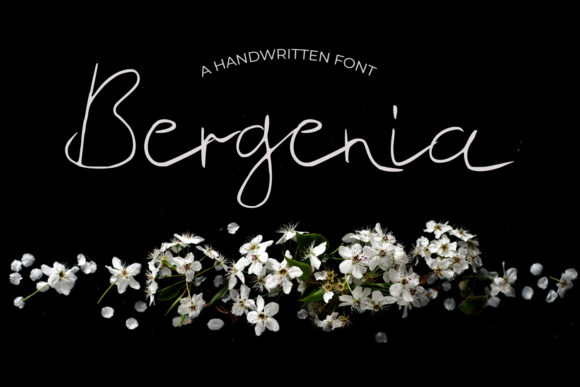
Bergenia: A Handwritten Font for Creative Expression
Bergenia is a delicate and thin lettered handwritten font that brings a personal, artistic touch to any design. It mimics the natural flow of handwriting, making it ideal for projects that require warmth, authenticity, and visual appeal. Whether you're designing a logo, crafting wedding invitations, or creating promotional materials, Bergenia offers a unique way to stand out in a world full of digital typography.
Why Choose Bergenia?
Fonts are more than just letters—they’re tools for communication. Bergenia stands out because of its soft curves and elegant strokes, which give text a handcrafted feel. This makes it especially useful in situations where a more personalized or artistic approach is desired over a standard, machine-printed look.
If you're looking for something that feels more human, Bergenia could be the perfect choice. Its subtle variations in line thickness and spacing create a sense of movement and life, which can be incredibly effective in branding and marketing efforts.
Real-World Use Cases for Bergenia
Bergenia isn't just a pretty font—it's practical too. Here are some real-world scenarios where it shines:
- Logos and Branding: A small business owner might use Bergenia for their logo to give it a warm, approachable feel. It works well with brands that want to convey creativity, craftsmanship, or personal care.
- Wedding Invitations: Couples often choose handwritten fonts like Bergenia for their invitations to add a romantic, intimate touch. It helps set the tone for a special event and makes the invitation feel more personal.
- Headings and Titles: Bloggers and content creators may use Bergenia for headings to make them stand out from the rest of the text. The font adds visual interest without overwhelming the reader.
- T-Shirts and Apparel: Designers working on custom t-shirts or other clothing items can use Bergenia to create eye-catching slogans or names that feel more authentic and less commercial.
- Signage and Labels: In retail environments, Bergenia can be used for signage or product labels to create a friendly, welcoming atmosphere. It’s particularly useful for boutique shops or artisanal products.
- Posters and Flyers: Event organizers can benefit from using Bergenia in posters or flyers to draw attention and create a sense of urgency or excitement.
- Badges and Certificates: Educators and training institutions might use this font for certificates or badges to make them feel more meaningful and celebratory.
Who Benefits Most from Using Bergenia?
Anyone looking to add a personal or artistic flair to their work can benefit from using Bergenia. Creators, entrepreneurs, marketers, bloggers, educators, and hobbyists all have different needs, but they share a common goal: to communicate effectively through design.
For example, a freelancer working on a client's branding project might choose Bergenia to align with the client's brand personality. If the client wants to appear more creative or approachable, this font can help achieve that goal.
A blogger might use Bergenia for post titles or headers to make their content more visually engaging. It can also be used in sidebars or call-out boxes to highlight key points or quotes.
Small business owners can use Bergenia in their packaging, signage, or social media graphics to create a cohesive brand identity that feels more human and less corporate.
Considerations Before Using Bergenia
While Bergenia is versatile, it’s important to consider a few factors before using it in your projects:
- Legibility: Because it's a thin and delicate font, it may not be the best choice for long blocks of text. It works best in short phrases or as a decorative element rather than for body copy.
- Color Contrast: To ensure readability, pair Bergenia with high-contrast colors. Dark text on light backgrounds or vice versa will help maintain clarity.
- Font Pairing: Bergenia pairs well with sans-serif fonts for a balanced look. For example, using it for headlines and a clean sans-serif font for body text can enhance readability and aesthetics.
- License and Usage Rights: Make sure you understand the licensing terms if you're using Bergenia for commercial purposes. Some fonts require specific permissions for certain types of use.
- Technical Compatibility: Check that Bergenia is compatible with the software or platform you're using. Some fonts may not render correctly on all devices or applications.
Getting Started with Bergenia
If you're new to using Bergenia, start by experimenting with simple designs. Try applying it to a logo, a poster, or even a greeting card. Observe how it looks in different sizes, colors, and layouts. Over time, you'll get a better sense of when and where it works best.
You can find Bergenia on font marketplaces such as Adobe Fonts, Google Fonts, or independent font sites. Once downloaded, most design software like Photoshop, Illustrator, or Canva will allow you to use it easily.
Remember, the key to using any font effectively is understanding its strengths and limitations. Bergenia is no exception. By knowing when to use it and how to pair it with other elements, you can unlock its full potential in your creative projects.
Whether you're a designer, marketer, or just someone who loves beautiful typography, Bergenia offers a unique way to express yourself. With its delicate, handwritten style, it’s a great choice for anyone looking to add a personal touch to their work.