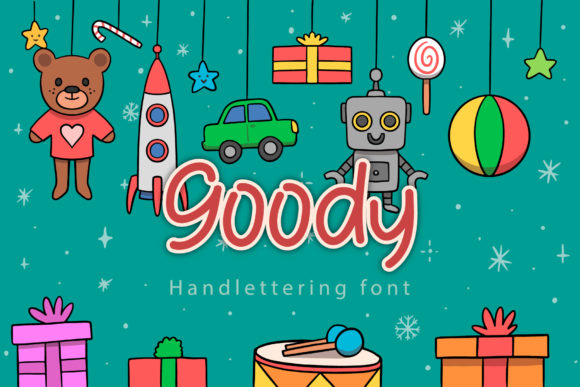
Goody: A Sweet and Friendly Handwritten Font for Creative Expression
Goody is a handwritten font that feels like a warm, personal note from a friend. Its soft curves and natural appearance give it a unique charm that stands out in a world of rigid, digital typefaces. Whether you're designing a logo, creating social media content, or crafting a personalized invitation, Goody brings an inviting warmth to your work.
With its friendly and approachable style, Goody is more than just a font—it's a creative tool that can help you connect with your audience on a more personal level. It's especially well-suited for projects that require a touch of authenticity and human connection.
Real-World Applications of Goody
The versatility of Goody makes it a great choice across various industries and purposes. Here are some real-world situations where Goody can shine:
- Wedding Invitations: Use Goody to create a romantic and heartfelt wedding invitation that feels like a handwritten letter from the couple to their guests.
- Personal Blogs and Websites: If you run a blog or website that focuses on lifestyle, fashion, or self-care, Goody can add a cozy and relatable feel to your design elements.
- Branding and Logo Design: For small businesses looking to build a friendly brand image, Goody can be used in logos, packaging, or marketing materials to convey a sense of trust and approachability.
- Social Media Content: Social media platforms thrive on visual appeal, and Goody can make your captions, headlines, or graphics stand out with its unique and charming style.
- Children’s Products: From book covers to educational materials, Goody's playful and easygoing look makes it ideal for children's content that needs to feel engaging and fun.
Who Can Benefit from Using Goody?
Goody is not limited to any one group—its appeal spans across different professions and hobbies. Let's explore how various users might find value in this font:
Designers and Creatives: If you're a graphic designer or creative professional, Goody can serve as a go-to font for projects that need a personal touch. It’s perfect for adding signature lines, quotes, or custom text in illustrations and layouts.
Small Business Owners: Small business owners often want to stand out in a crowded market. Using Goody in branding materials can help them appear more personable and trustworthy.
Content Creators: Bloggers, YouTubers, and Instagrammers can use Goody to enhance their captions and headlines, making their content more visually appealing and engaging.
Teachers and Educators: Teachers can incorporate Goody into classroom materials, such as handouts, presentations, or certificates, to create a more welcoming and friendly learning environment.
Event Planners: Event planners can use Goody to design invitations, programs, and signage that reflect the personality and theme of an event in a more organic way.
Practical Examples and Observations
Let’s take a closer look at how Goody has been used effectively in real-life scenarios:
Example 1: A local bakery used Goody in its packaging and signage. The font gave the shop a homey and welcoming vibe that matched its rustic decor. Customers appreciated the personal feel, and sales increased by 20% within a few months.
Example 2: A personal trainer created a fitness blog using Goody for headings and call-out boxes. The font helped soften the tone of the content, making it more relatable and encouraging for readers.
Observation: Many users have noted that Goody works best when paired with minimalist designs. It doesn’t compete with other visual elements but instead enhances them with its gentle presence.
Considerations Before Using Goody
While Goody is a versatile and appealing font, there are a few things to keep in mind before using it in your projects:
- Legibility: While Goody is beautiful, its handwritten nature may affect readability, especially in long blocks of text. It's best suited for short phrases, headings, and decorative elements rather than body text.
- Consistency: Since Goody is a handwritten font, it may vary slightly in each character. This can be a benefit for a unique look, but it's important to maintain consistency in your design to avoid a cluttered appearance.
- Pairing with Other Fonts: To ensure balance in your design, consider pairing Goody with a clean, sans-serif font for body text. This contrast helps maintain clarity while still highlighting the charm of Goody.
- License and Usage Rights: Always check the licensing terms of Goody to ensure it's appropriate for your intended use, whether for commercial or personal projects.
Strengths and Limitations of Goody
Goody has several strengths that make it a popular choice among designers and creators. Its natural, handwritten style adds a personal touch to any project, and its friendly aesthetic appeals to a wide range of audiences. It's also highly adaptable, working well in both digital and print formats.
However, it's important to recognize its limitations. As mentioned earlier, Goody may not be the best choice for long-form text due to its legibility concerns. Additionally, because of its uniqueness, it may not be suitable for all professional settings where a more formal or structured appearance is required.
Despite these limitations, Goody remains a valuable asset for anyone looking to infuse their work with warmth, personality, and a touch of humanity. Its ability to evoke emotion and connection makes it a standout choice in the world of typography.