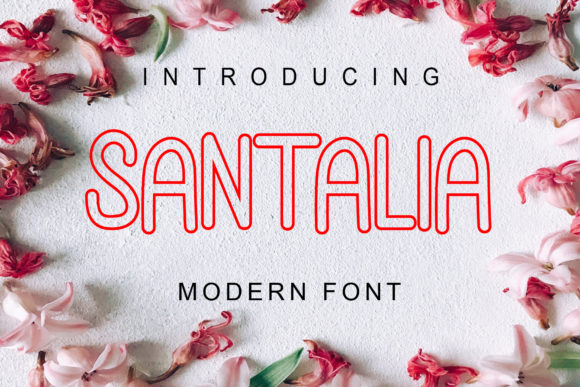
Santalia: A Unique Handwritten Font for Creative Expression
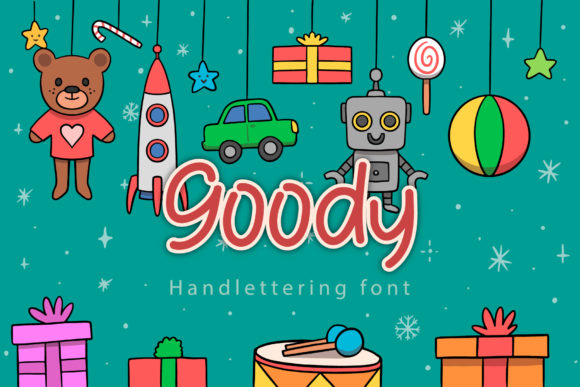
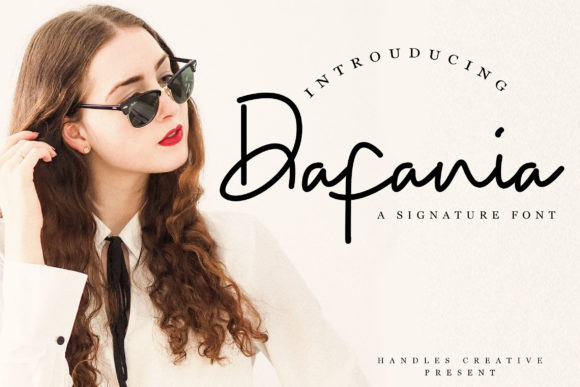
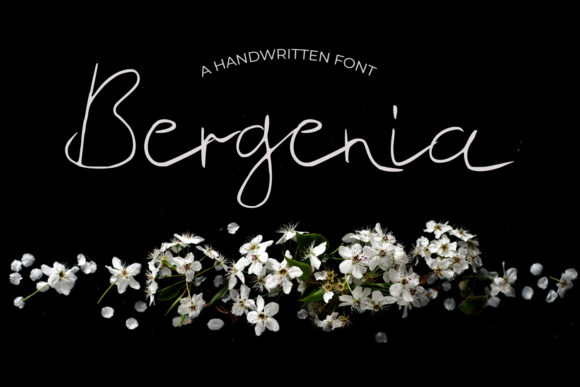
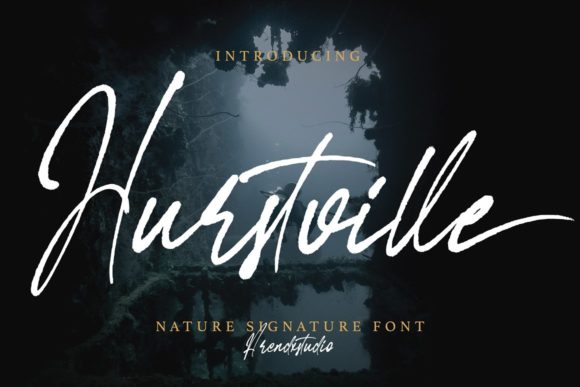
Santalia is a unique handwritten font that brings a personal and artistic touch to digital and print media. Designed to mimic the natural flow of handwriting, this font offers a distinct visual identity that can elevate creative projects. Whether used in branding, design, or content creation, Santalia provides an opportunity to stand out in a world often dominated by standardized typography.
Understanding Santalia
Santalia is a typeface that captures the irregularity and warmth of human handwriting. Unlike traditional fonts with uniform stroke widths and precise spacing, Santalia features variations in line thickness, slant, and character shape that reflect the organic nature of cursive writing. This makes it particularly well-suited for applications where a personal or informal tone is desired.
The font’s design includes a range of characters that are both legible and expressive, allowing users to convey emotion and personality through text. It supports multiple languages and includes a variety of stylistic alternates, making it versatile for different types of communication.
Why Consider Santalia?
There are several reasons why someone might be interested in using Santalia. First, its unique aesthetic can help differentiate a project from others that rely on more conventional fonts. For instance, in marketing materials, Santalia can create a sense of approachability and authenticity, which can be especially effective for small businesses or personal brands.
Second, Santalia is ideal for creative projects such as invitations, greeting cards, and social media graphics. Its handwritten appearance adds a layer of intimacy and charm that can enhance the overall message. Additionally, because it mimics real handwriting, it can be used effectively in educational materials or storytelling contexts where a personal voice is important.
Benefits of Using Santalia
- Distinctive Visual Identity: Santalia helps create a memorable and unique look for any project.
- Emotional Connection: The font’s handwritten style can evoke a sense of warmth and sincerity.
- Versatility: It works well across various platforms, including print, web, and mobile devices.
- Expressive Typography: The font allows for creative expression through its varied stroke styles and character shapes.
Potential Tradeoffs and Considerations
While Santalia has many benefits, there are also some tradeoffs to consider. One of the main challenges is ensuring readability. Because it mimics handwriting, some characters may appear less clear than in standard fonts, especially when used in large blocks of text. Designers should test the font in different sizes and contexts to ensure it remains legible.
Another consideration is the font’s compatibility with certain software or platforms. While Santalia is widely supported, it may not render consistently across all devices or operating systems. Users should verify how the font appears on different screens before finalizing a project.
Additionally, the use of Santalia may not be appropriate for all professional settings. In formal documents, legal texts, or technical manuals, a more structured and standardized font may be necessary to maintain clarity and professionalism.
When Santalia Is a Strong Fit
Santalia is best suited for situations where a personal or artistic tone is desired. This includes:
- Creative Projects: Such as logos, illustrations, and graphic designs that require a unique visual element.
- Personal Branding: For individuals or small businesses looking to establish a warm and approachable image.
- Marketing Materials: Including social media posts, email newsletters, and promotional flyers where a friendly and engaging tone is beneficial.
- Event Invitations and Cards: Where the handwritten feel can add a special touch to celebrations or communications.
In these scenarios, Santalia’s distinctive style can enhance the visual appeal and emotional impact of the content.
When Alternatives May Be Worth Considering
Despite its strengths, there are situations where alternative fonts may be more appropriate. For example, if the primary goal is to communicate information clearly and efficiently, a sans-serif or serif font with consistent letterforms may be a better choice. These fonts are generally easier to read in long passages and are more suitable for academic or technical writing.
Additionally, if the project requires high levels of accessibility, such as for users with visual impairments, a font with clear and uniform characteristics may be necessary to ensure readability. In such cases, designers should prioritize fonts that meet accessibility standards.
For large-scale printing or digital displays where precision is key, a font with optimized spacing and kerning may be preferable. While Santalia is visually appealing, it may not always provide the level of consistency required for these specific applications.
Practical Decision-Making Insights
When deciding whether to use Santalia, it’s important to evaluate the goals of the project and the needs of the audience. Ask yourself:
- Does the project benefit from a personal or artistic tone?
- Will the font be used in short bursts of text or long passages?
- Is the target audience likely to appreciate the handwritten style?
- Are there any accessibility or readability concerns?
By considering these factors, you can determine whether Santalia aligns with your objectives and will deliver the intended impact.
Ultimately, Santalia is a valuable tool for those seeking to add creativity and personality to their work. When used appropriately, it can enhance the visual and emotional resonance of a project while maintaining clarity and effectiveness.